In the ever-evolving world of construction, new methods are constantly emerging to address the demands for greater efficiency, cost-effectiveness, and sustainability. Prefabricated buildings are at the forefront of this change.
Continue reading to learn more about the basics of prefabricated modular building systems.
What Are Modular Buildings Made Of?
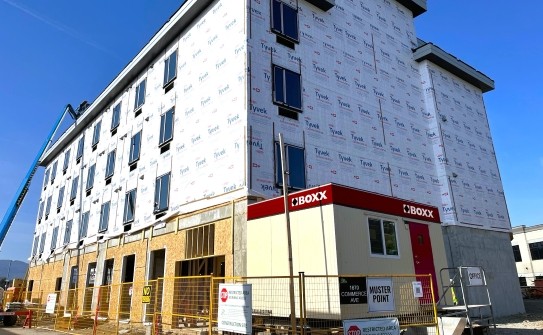
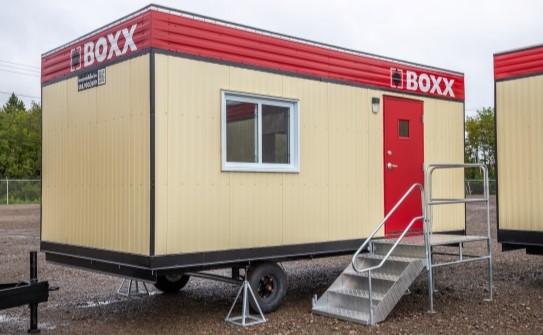
Modular buildings (also known as prefabricated buildings) are code-compliant, commercial structures composed of individual, prefabricated sections known as modules. These modules are built in an off-site, factory setting and then transported to the final construction site for assembly.
Prefabricated buildings are constructed with the same high-quality materials as traditional buildings, while the framework for the base, walls, and ceiling is typically made of steel or wood, depending on the building’s purpose and site needs.
Additionally, since modular buildings must undergo the same inspections and meet the same building codes as traditional construction, they are just as safe and reliable.
Later in this blog, we’ll dive deeper into the key benefits of prefabricated buildings.
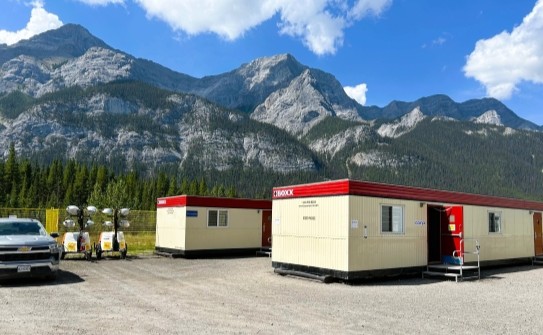
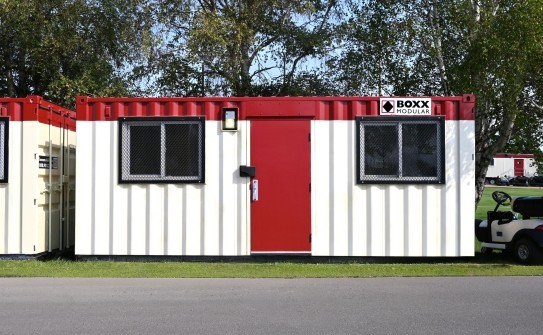
We understand that every industry has different requirements. That's why we offer a variety of prefabricated modular building types—from offices to washrooms—and even add-on furniture packages to meet the unique needs of your business.
5 Benefits of Prefabricated Buildings
The benefits of choosing prefabricated buildings are numerous and far-reaching, transforming the way projects are planned and executed.
Below, we’ve provided five common advantages you can expect when choosing modular.
1. Faster Construction Timelines and Processes
The factory construction of prefabricated building modules cuts down on construction time and minimizes weather delays. This process saves you money because projects are completed quickly and require less on-site labor.
Framing: The process begins with a steel or wood frame, which forms the base of the module. While the frame is being built, floor joists are assembled and attached.
Walls and Finishes: Next, the walls are built horizontally with traditional wood studs and lifted and secured to the floor. From there, the interior wall finish is applied and windows, insulation, wiring, plumbing, and other components are installed.
Roofing and Exterior: An overhead crane lifts the roof structure into place. Once the roof is on, ductwork, additional wiring, and other systems are finished. Exterior finishes are then attached, along with doors and interior trim.
Transportation Prep: When a module is complete, it's typically wrapped in plastic or plywood to protect it from the weather during transport, though some are built to be watertight on their own. The finished modules are then moved to a staging area and prepared for delivery.
They're also built to meet additional standards that ensure they stay structurally and aesthetically sound during transportation.
Whether a modular building stays in one place or is moved from site to site, it's designed to last for decades.
Further, the quality control in a factory environment is stricter than in traditional construction, which results in a higher-quality finished product.
3. Long Lifespan and Low Maintenance
While some people see prefabricated buildings as having short life spans, they can last for a surprisingly long time. Relocatable modular units are used for temporary space needs, but they are still designed to last and be repurposed or reused. To get the most out of your modular building, regular maintenance is a must. This helps with both longevity and safety.
HVAC: Change your HVAC filters at least once a month, or more often if needed, to keep the air clean. Make sure you never block vents and clean ducts as required.
Leaks and Damage: Fix any leaks right away, and regularly inspect the roof for damage.
Inspections: Routinely check the caulking around windows, doors, and siding to ensure a tight seal. Also, make sure to maintain your floor coverings and check smoke detectors.
Air Conditioning: Run your AC occasionally to keep the temperature and humidity regulated.
With proper care, prefabricated modular structures can be a functional and cost-effective space for an average of 20 to 25 years. Permanent modular buildings can last even longer—from 35 years to 50 or more—just like a traditional building.
With BOXX Modular, your building will have maintenance-related resources to help you with the process, and you are encouraged to reach out to your branch or sales representative if you need any help or have any concerns. Our team will always assist you in ensuring your buildings are in top condition.
4. Versatility and Customization
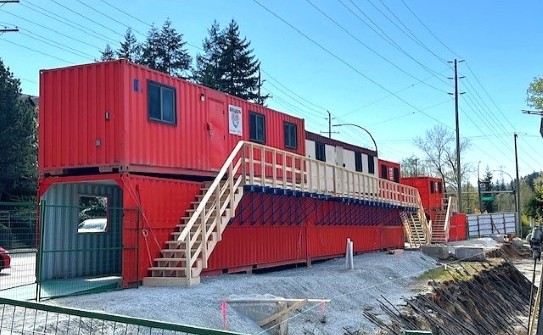
Custom prefabricated modular buildings offer unmatched versatility to meet your every need. Whether you're looking for a simple office or a multi-story professional complex, the design possibilities are nearly limitless.
One of the greatest advantages of modular design is its customization. Another advantage is the ability to easily repurpose used units, which eliminates the need to demolish and completely rebuild structures when updates are needed.
Not sure what you need? Just tell us your building and space requirements, and we'll create a modular design that works for you. From there, you can fully customize the prefabricated building with your choice of interior and exterior finishes, lighting, technology, security systems, and more.
5. Sustainable and Eco-Friendly
Beyond their speed and cost benefits, prefabricated buildings are also an environmentally friendly choice. We believe that construction doesn't have to be wasteful, so we focus on sustainable and eco-friendly practices.
Our modular solutions promote adaptability and reuse to minimize excess material waste. Here’s how we make sustainability a priority:
Less Waste: Pre-fabrication allows us to optimize material purchases and usage, which minimizes waste and results in a higher-quality product for you. During the manufacturing process, materials are always stored in a protected area that's safe from theft and damage.
Less Exposure: Our prefabricated modular structures are built in a controlled factory environment. This means that all materials are protected from, and our manufacturers can work regardless of, harsh weather. This helps us avoid material damage, minimize delays, and stay on schedule, which saves you time and money.
Less Site Disturbance: The modular building process allows off-site construction to happen at the same time as on-site work, such as leveling the ground and laying the foundation. This reduces the impact on the surrounding environment during installation, as well as the number of vehicles and equipment needed on site.
Energy Efficiency: We can install a wide range of high-efficiency mechanical systems, from heating and cooling to energy-efficient lights. We can also use energy-efficient windows and doors to help keep your costs down.
Reuse: When your needs change, prefabricated modular buildings can be disassembled, relocated, and/or refurbished. This reduces the demand for raw materials and the energy needed to create a new building.
Have Questions? Get Answers.
We know there are many misconceptions surrounding modular solutions, and if you’re not familiar with the processes, you likely have some questions. Continue reading to discover answers to frequently asked questions about our modular buildings.
Modular buildings are built with various materials that can be customized to your needs. We offer a diverse selection of all building components, including:
Steel/concrete (framework)
Wood (framework and siding)
Composite exterior panels (siding)
Stone veneer (siding)
Stucco (siding)
Thin brick (siding)
Vinyl (siding and flooring)
Ceramic tiles (flooring)
And more!
The foundation materials used for permanent modular buildings are dependent on the site conditions and soil compaction. That being said, typical materials we use in permanent foundations would be the same or very similar to what you would find supporting a site-built structure. This includes a combination of poured concrete with rebar for strength and crushed stone for drainage.
Choosing between renting and buying a modular building hinges on your business's needs. Renting offers flexibility and is ideal for startups, growing businesses, and temporary needs like renovations. Buying provides customization and long-term asset creation for established companies. To determine the best option for you, contact our team for guidance and a free quote.
Ready to experience the benefits of prefabricated buildings?
Modular buildings are the way to go. Request a quote or contact us today to get the conversation started. We’d love to talk to you about how modular can meet — and exceed — your needs.
Our website uses cookies. By continuing to browse our site you are agreeing to our Cookie Policy.