From resilience in harsh climates to faster construction and installation timelines, as well as increased sustainability, flexibility, and customization, modular harbour structures offer clear advantages over traditional construction in Canada’s demanding maritime environments.
Key Takeaways:
Modern modular harbour structures use the same high-quality materials as traditional buildings, ensuring long-lasting performance.
Modular harbour building solutions offer faster construction timelines and the ability to relocate or reconfigure structures as needs change.
Offsite construction for modular harbour buildings reduces waste, minimizes environmental impact, and can lower long-term facility costs.
5 Reasons to Choose Modular Harbour Structures
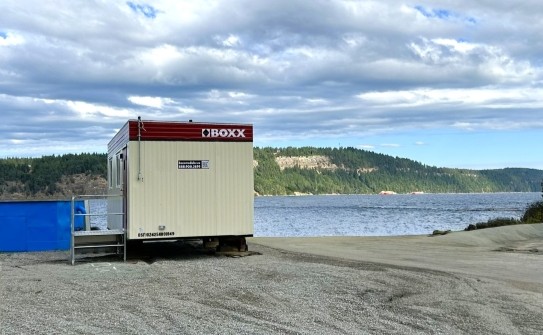
If you’re planning a new harbour building project, modular construction is an option worth considering.Modular construction offers the same durability, quality, and functionality as traditional construction with added benefits inherent to the modular process.
In the sections below, we’ll explore the advantages of modular harbour structures, helping you make an informed decision for your next facility.
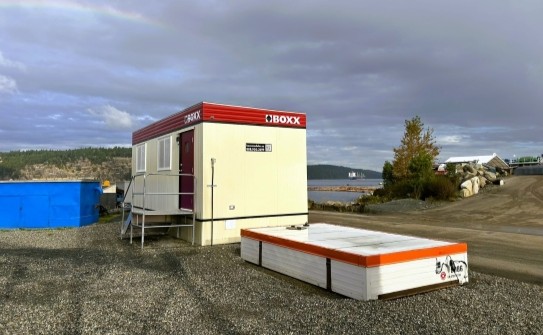
1. They Can Withstand Harsh Weather & Climate Changes
Beyond weather, saltwater presents a serious long-term threat. Harbour water contains high salt concentrations that accelerate corrosion not just near the shoreline, but up to 10 miles inland. This makes building material selection and construction quality critical for harbour structures.
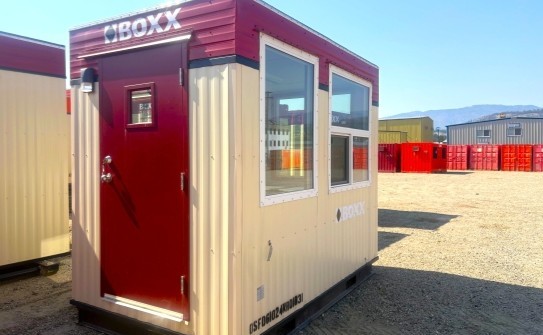
Project Highlight: Comfortable and Secure Space For Remote Port Operations
A high-profile port operations client was in need of secure, long-term observation space that accommodated an enhanced need for security and accessibility on a busy work site.
Discover how our experienced team delivered a brand new, project-specific portable building that met the exact needs of this client.
2. They Provide Built-In Flexibility For Evolving Harbour Needs
Traditional harbour buildings are permanent by design. Once constructed, relocating or reconfiguring them is costly, disruptive, and often impractical. Modular construction, on the other hand, offers built-in flexibility.
Modular harbour structures can be relocated or reassembled in new locations with significantly less disruption. This is especially valuable for ports that expect future expansion, shifting operations, or changes in land use. For organizations unsure about long-term needs, modular allows you to plan for change rather than rebuild from scratch.
For even greater flexibility, modular leasing options are available. These are ideal for seasonal harbour operations, temporary facilities, or short-term projects, helping Canadian harbour authorities manage costs while avoiding long-term commitments and ongoing upkeep expenses.
3. They Offer Faster Construction Timelines in Short Build Seasons
In Canada, time truly is money, especially when construction seasons are limited by weather. The longer a harbour project takes, the greater the impact on budgets, operations, and revenue.
Walls are added along with windows, insulation, electrical wiring, and plumbing (when applicable).
Roofing is fabricated simultaneously and installed once the module is ready.
Interior and exterior finishes are completed.
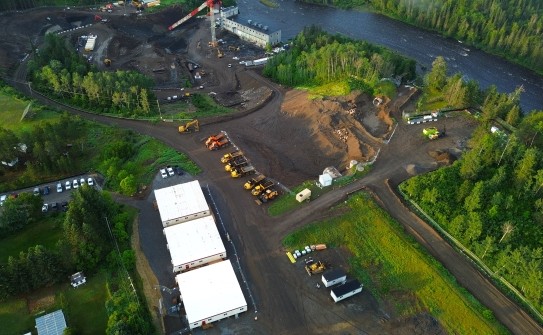
While modules are being built offsite, site preparation can occur at the same time. Grading, drainage, and utility work can all move forward while buildings are being constructed, which is something traditional construction does not support. The result is faster installation and quicker occupancy, helping harbour structures become operational sooner, saving costs and improving efficiency.
Featured Custom Case Study
Custom Project Highlight: Custom Waterfront Office for Emergency Spill Response
An emergency spill response operation along Vancouver's waterfront needed a response base that maintained corporate branding while meeting the stringent building requirements set by the Port of Vancouver.
Our BOXX Modular team was awarded this project due to outstanding building design. Discover how we delivered a durable, custom office designed specifically for marine operations below.
Modular does not mean one-size-fits-all. Whether you need a single office, a two-story operational harbour building, or a specialized layout designed around your workflow, modular construction offers extensive customization options.
Layouts, finishes, and configurations can all be tailored to meet your operational requirements while maintaining efficiency and durability. For greater adaptability in cramped or congested worksites, SmartSpace solutions offer a “building block” design that allows modules to be arranged, expanded, or reconfigured as needs change.
This level of customization ensures your harbour building supports both current operations and future growth without the limitations of traditional construction.
5. They Are a More Sustainable Choice For Waterfronts
Modular harbour structures support sustainability through a highly controlled, off-site construction process.
As modules are built indoors, material waste is significantly reduced. Any leftover or unused materials can be stored and reused on future projects rather than ending up in a landfill. Furthermore, protection from the elements during construction prevents weather damage and the need for new raw materials. Offsite construction also requires fewer skilled labourers and less heavy equipment on the job site, minimizing environmental disturbance.
With fewer vehicle trips, reduced noise, and less impact on surrounding land and water, modular construction offers a cleaner, more responsible approach to developing and installing harbour buildings.
Innovate Your Harbour Operations With Modular Harbour Structures
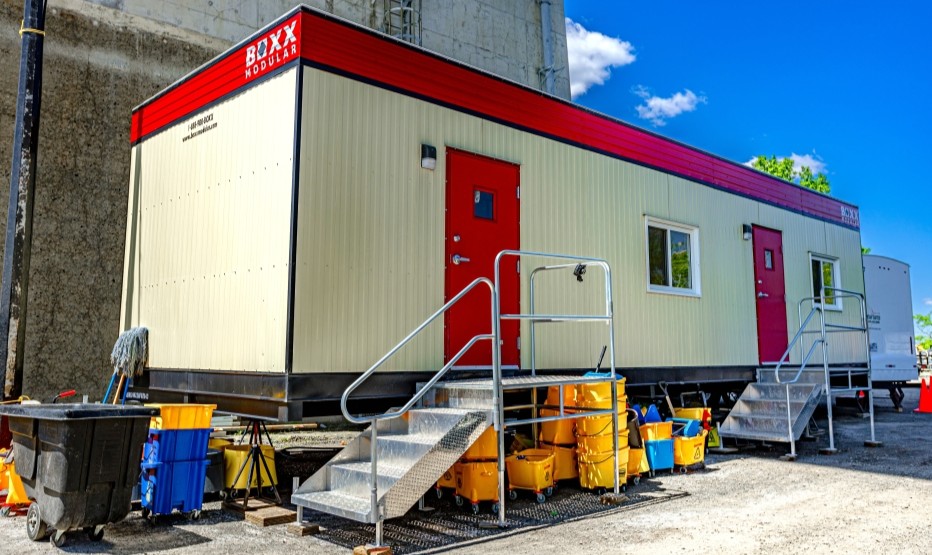
By choosing modular harbour structures, operators can invest in infrastructure that adapts to change, minimizes environmental impact, and delivers long-term value.
As Canada’s ports and harbours continue to evolve, modular construction provides a future-ready solution built to perform on the waterfront.
Have Questions? Get Answers.
We know there are many misconceptions surrounding modular solutions, and if you’re not familiar with the processes, you likely have some questions. Continue reading to discover answers to frequently asked questions about our modular buildings.
Modular buildings are built with various materials that can be customized to your needs. We offer a diverse selection of all building components, including:
Steel/concrete (framework)
Wood (framework and siding)
Composite exterior panels (siding)
Stone veneer (siding)
Stucco (siding)
Thin brick (siding)
Vinyl (siding and flooring)
Ceramic tiles (flooring)
And more!
We understand that certain businesses and organizations work in remote locations that some traditional construction companies can’t reach. When it comes to modular construction, remote locations aren’t an issue. Our teams will work with you to ensure your modular structure is securely transported to your site, no matter where it is.
Permit and zoning ordinances can vary depending on location, so there are a few legalities to keep in mind when purchasing or leasing a modular building.
You’ll need to first check with your municipal or regional district office to find out the specific permits, inspections, and associated costs for your area and project site. Additionally, you’ll want to look into occupancy licenses to determine the occupancy allowance.
Want to learn more about modular harbour building solutions?
Modular buildings are the way to go. Request a quote or contact us today to get the conversation started. We’d love to talk to you about how modular can meet — and exceed — your needs.
Our website uses cookies. By continuing to browse our site you are agreeing to our Cookie Policy.